
Cyber Security

Practical, no-jargon cyber security — the boring basics done properly, because that's what actually stops most real-world attacks.
Most cyber security advice for small businesses comes in two unhelpful flavours: vague reassurance, or dense jargon written for someone with an IT department behind them. I've spent years giving small businesses around Young the third option — a clear, practical checklist, explained in plain language, with no scare tactics.
What Actually Causes Most Breaches
It's rarely some sophisticated, unstoppable attack. It's weak or reused passwords, a fake invoice with subtly changed bank details, a voice-cloned phone call asking for an urgent transfer, or a backup that's been silently failing for months without anyone noticing. I've seen all of these up close, including the near-misses that got caught only because someone paused to verify independently before acting.
What I Actually Do
A proper audit of where the real gaps are — not a generic checklist copy-pasted from a template, but a look at your actual setup. Password manager and multi-factor authentication rolled out properly, for everyone, not just the people who already cared. Backups that are tested, not just assumed to work. And a habit, built into how your team operates, of independently verifying anything involving money or access before acting on it — the single most effective defence against the AI-driven scams that have gotten genuinely convincing this year.
Built for Real Small Businesses
I work with solo operators just as often as small teams, and the advice changes accordingly — a one-person business needs personal habits standing in for the "second pair of eyes" a larger team has built in. None of what I recommend requires an enterprise security budget. It requires the right handful of basics, done consistently, every time, without exception.
What's Included
An honest security review, practical fixes prioritised by actual risk rather than by what's easiest to sell, and straightforward staff awareness conversations using real, current examples rather than generic slides nobody retains. If something's already a genuine emergency, I'll say so plainly and help you deal with it first.
Other Services
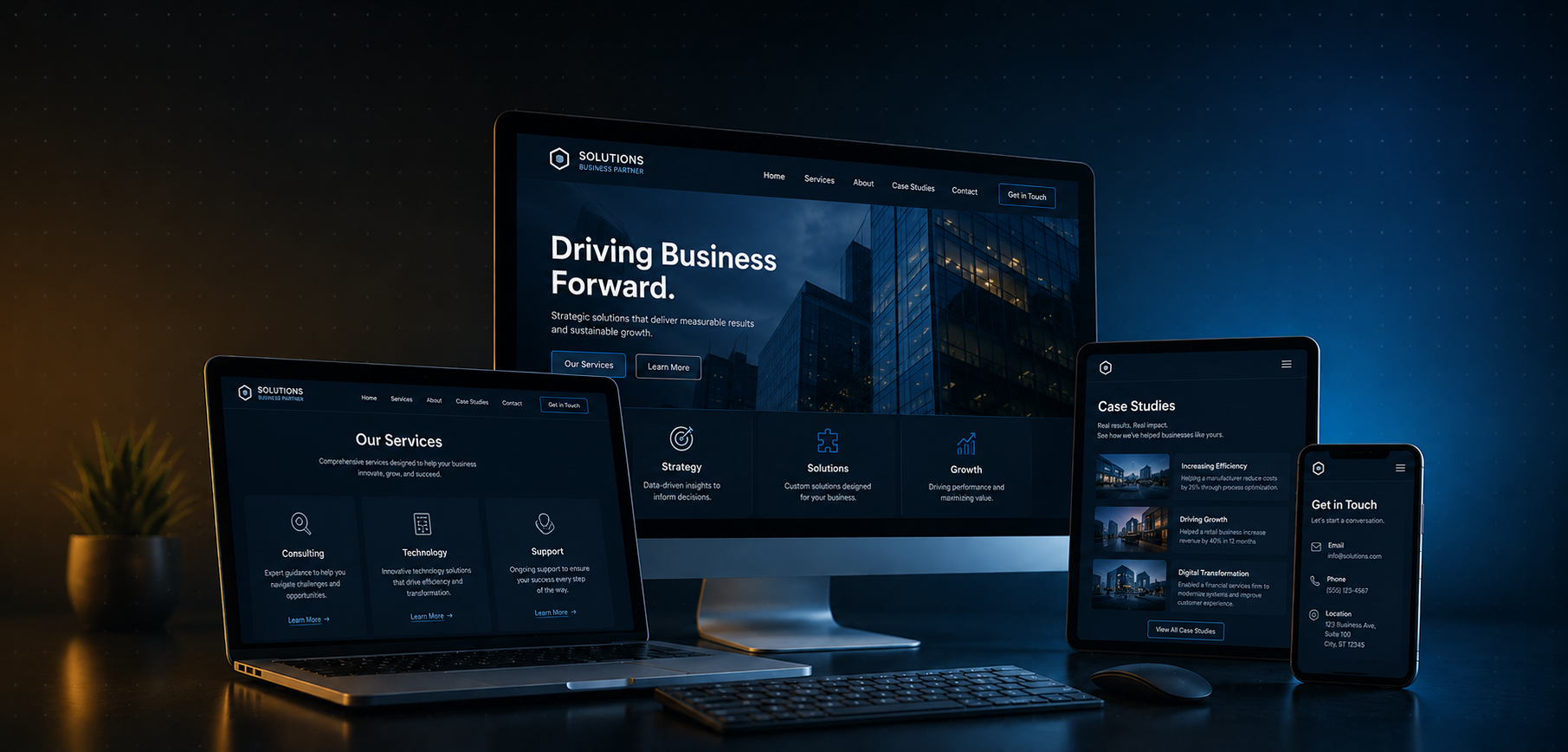
Websites & Hosting
Fast, honest websites built without unnecessary complexity, backed by hosting I run myself on NodeStack — Australian servers, no lock-in.

Marketing
Marketing that mixes print, local radio, and AI-assisted content the honest way — drafted fast, reviewed properly, never sent out on autopilot.

3D Printing
Custom 3D printing, laser cutting and CNC work — from one-off prototypes to the discontinued part nobody else can source anymore.